Art, care, and wellbeing
Connecting palliative care, storytelling, and local art in Hong Kong.
Founder
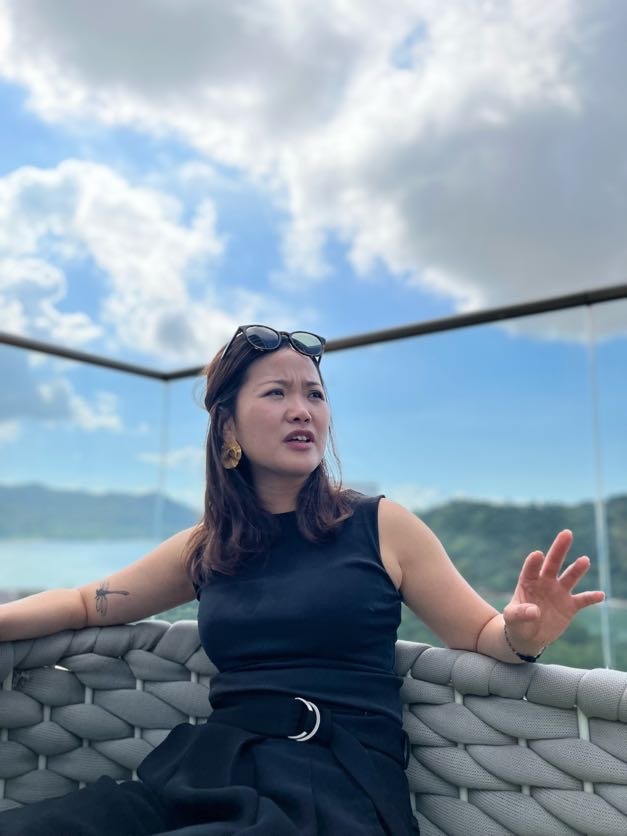
Jackie is a typical girl living in Hong Kong until depression, anxiety, burnout, a sudden layoff, and the successive losses of her grandparents and her cats forced her to confront how fragile wellbeing really is. Those years taught her that wellbeing is essential to health — the difference between merely functioning and actually living.
Looking for a way to understand what she had been through, she spent the next ten years working in the healthcare industry, partly trying to compensate for the science classes she missed at school. As a third-class honours graduate in comparative literature (with formal apologies to her professors) and a lifelong art lover, she now wants to bring those sides together: using what she has learned to support artists and to place art in the spaces where people are navigating illness, care, and recovery.
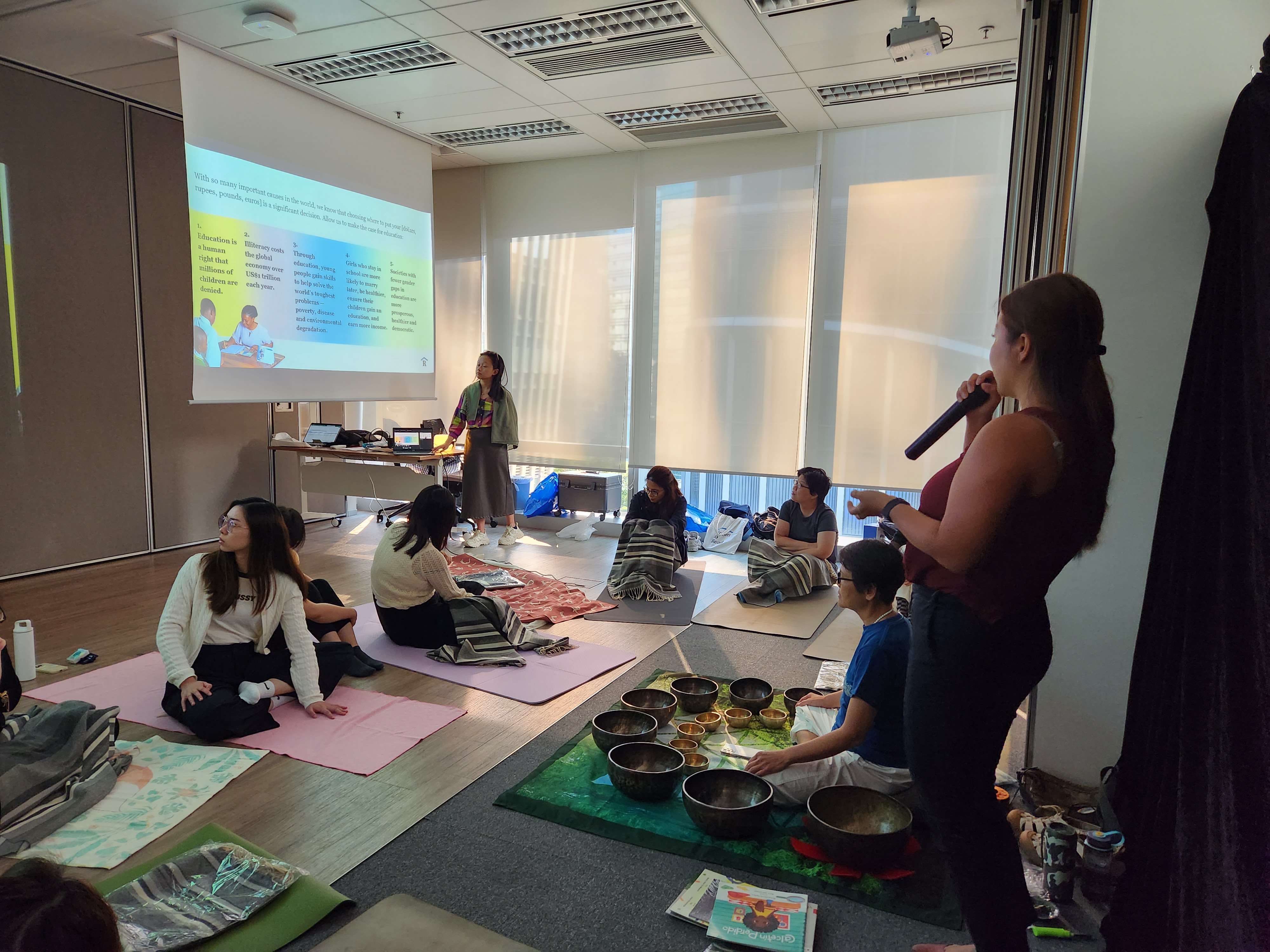
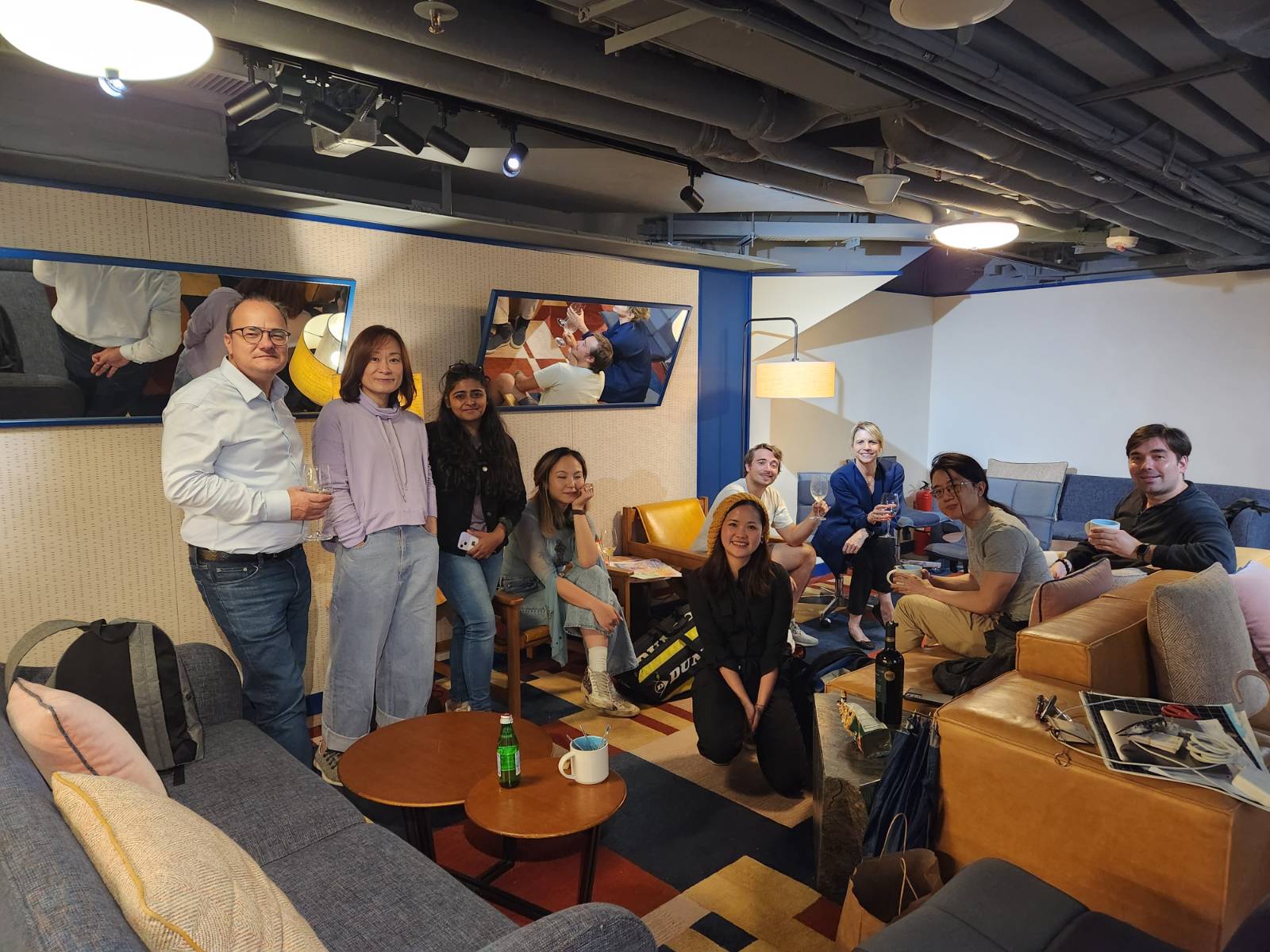
We are lucky to work as a multidisciplinary team — experienced business practitioners, dedicated artists, caring counsellors, and compassionate clinicians who share a commitment to wellbeing and care.
Project Well is the project we are currently running. It connects palliative care, storytelling, and local art in Hong Kong. We train independent artists to listen carefully and work alongside patients and caregivers, creating original artworks that honour a life and give families something tangible to keep.
Modular education in listening, communication, emotional readiness, and ethical practice so artists can enter care settings with confidence and skill.
Artists are paired with patients and caregivers for guided conversations. From these, they create original artworks. Families receive prints; artists may sell the originals under clear rights arrangements.
The work is curated for exhibitions and shared publicly, helping normalise conversations around end-of-life care while giving artists meaningful platforms.
Project Well addresses gaps in palliative care by restoring agency to patients, easing the load on caregivers, and creating sustainable opportunities for artists.
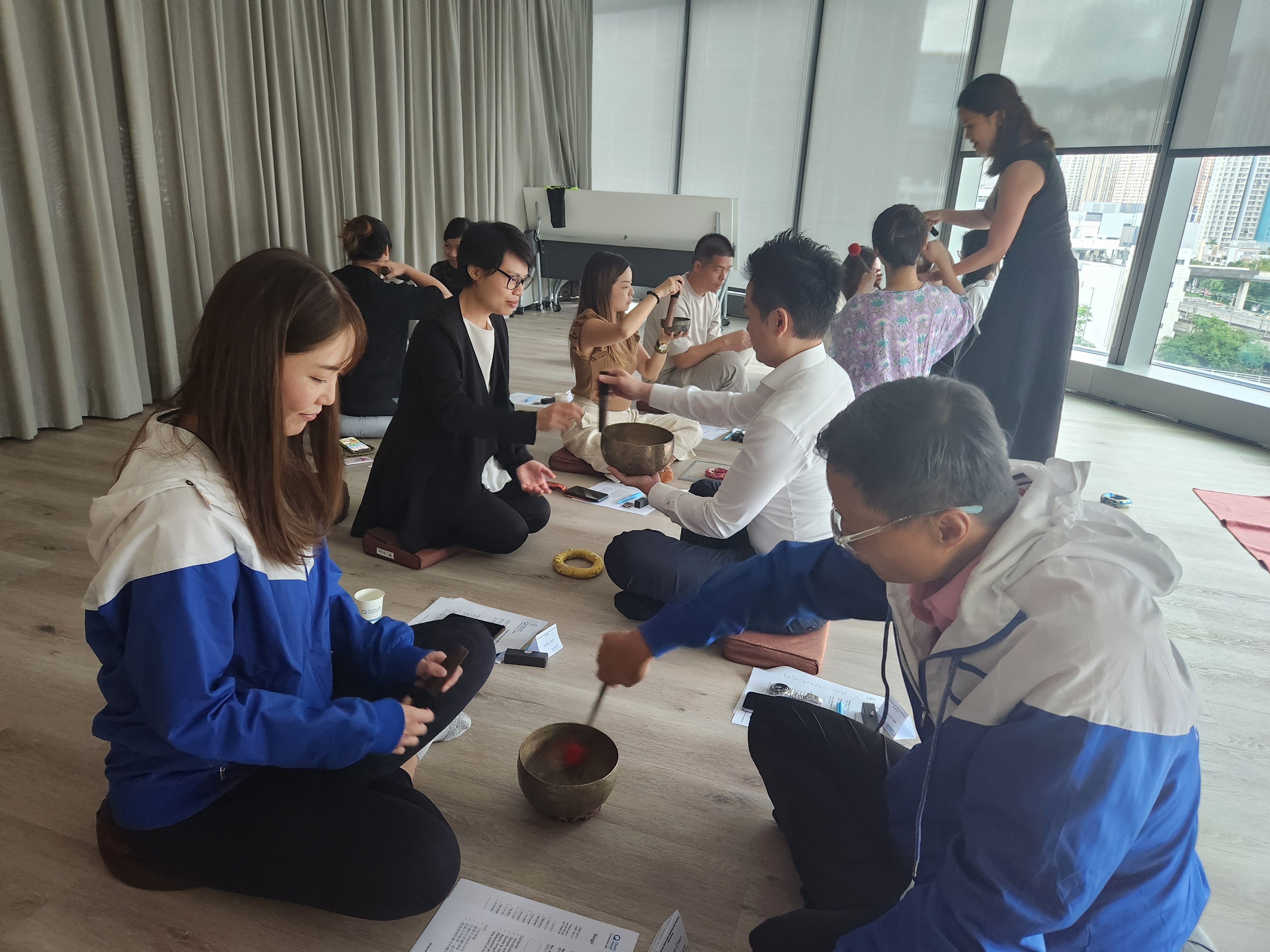
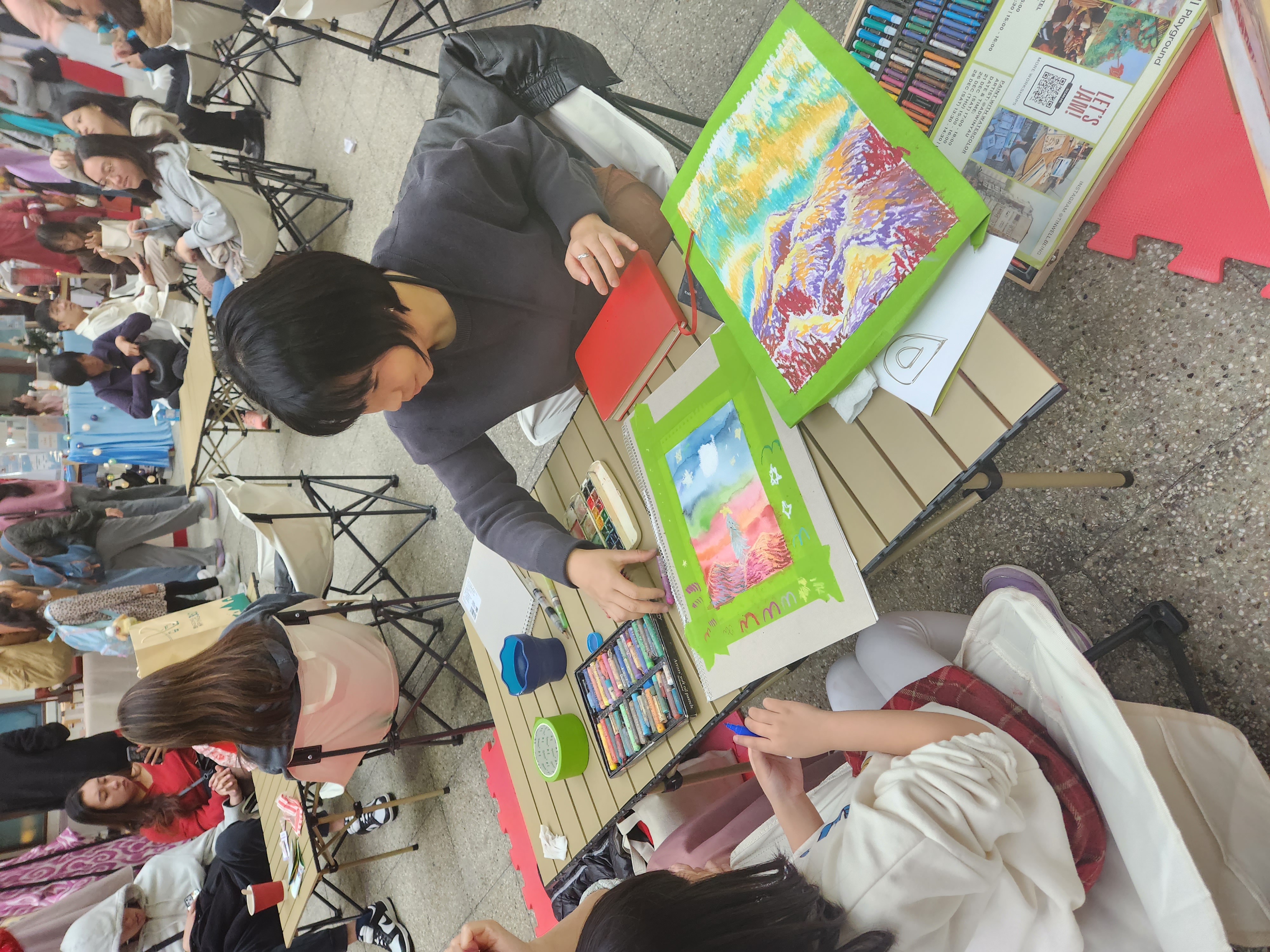
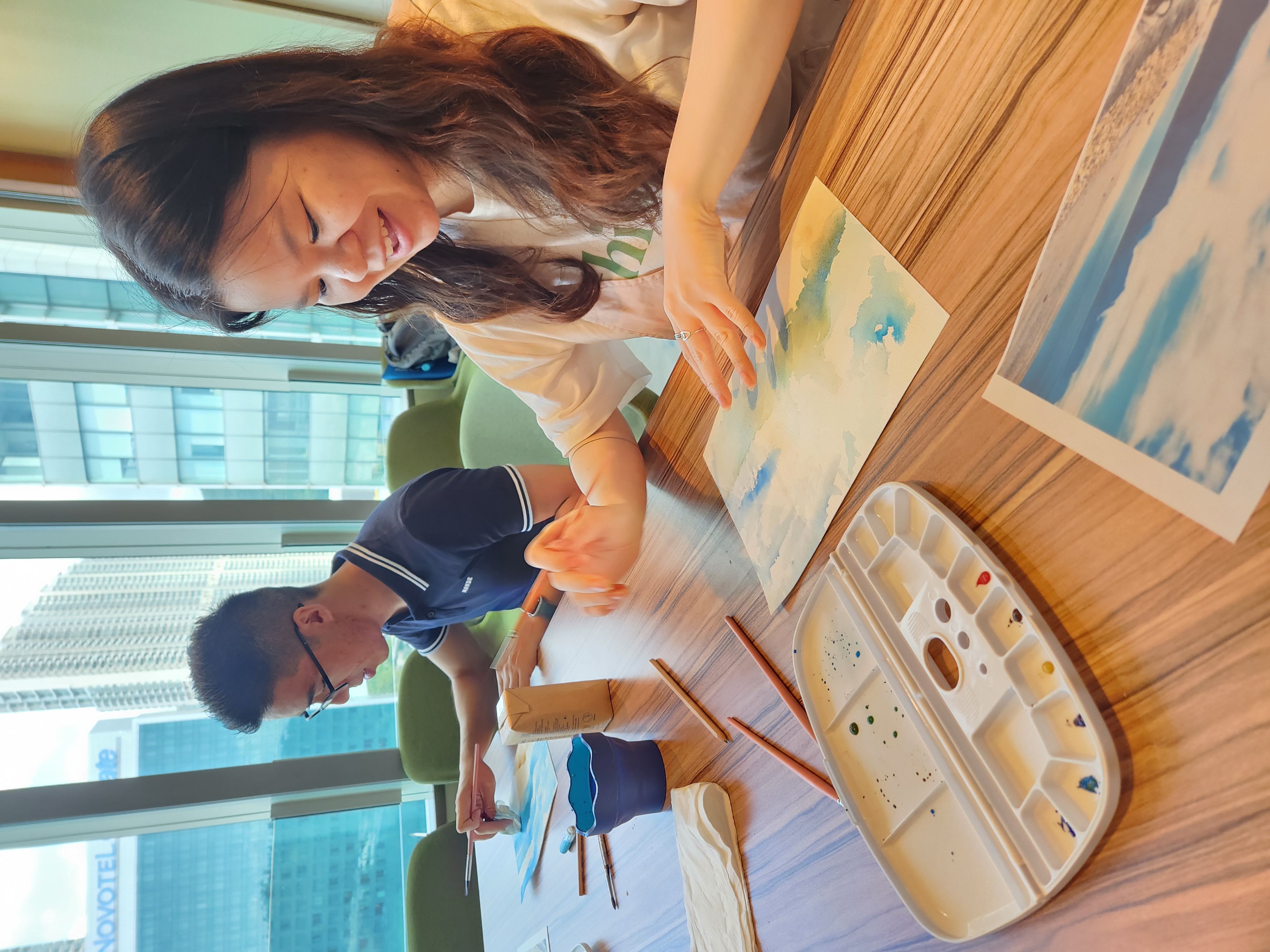
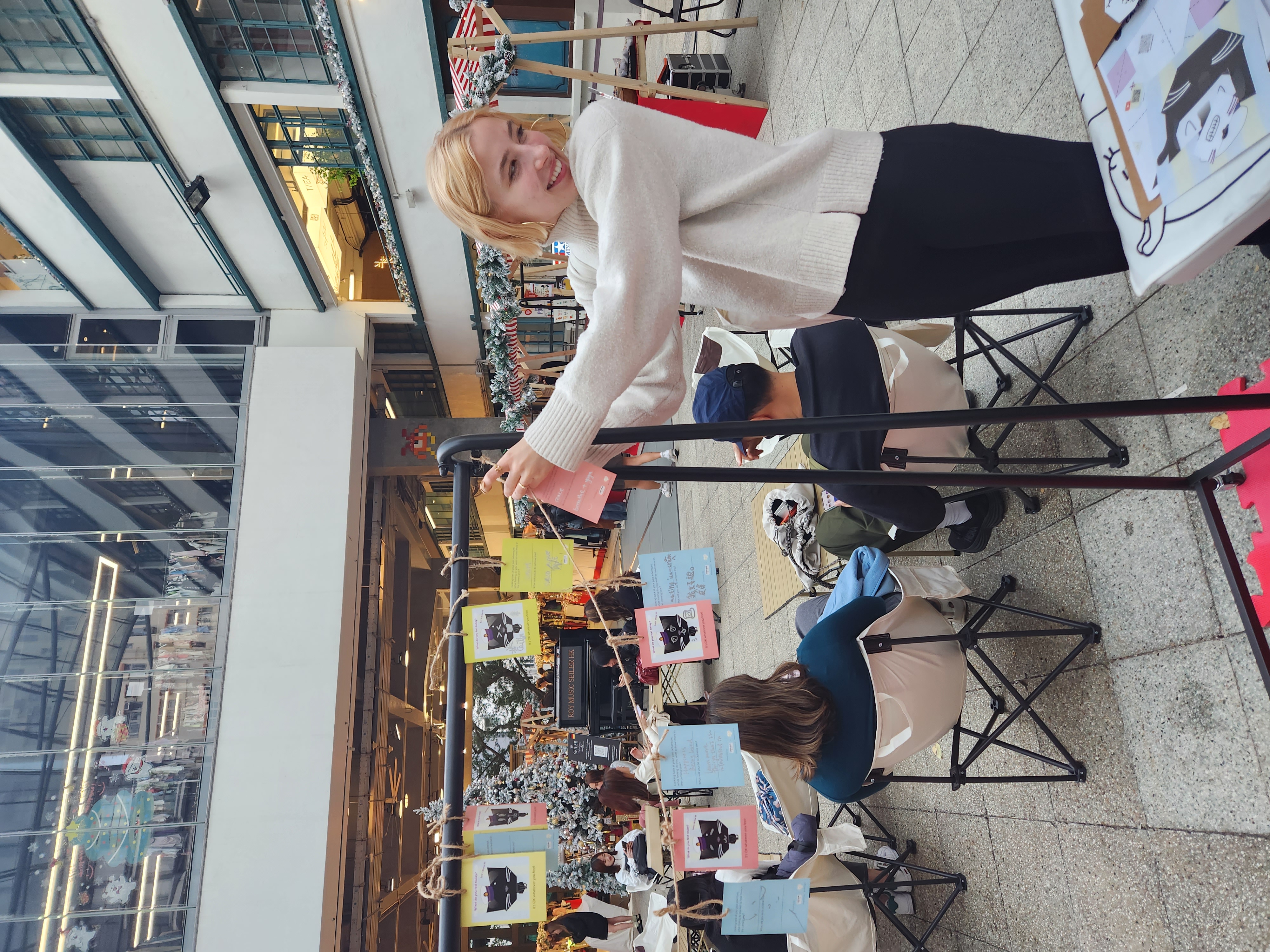
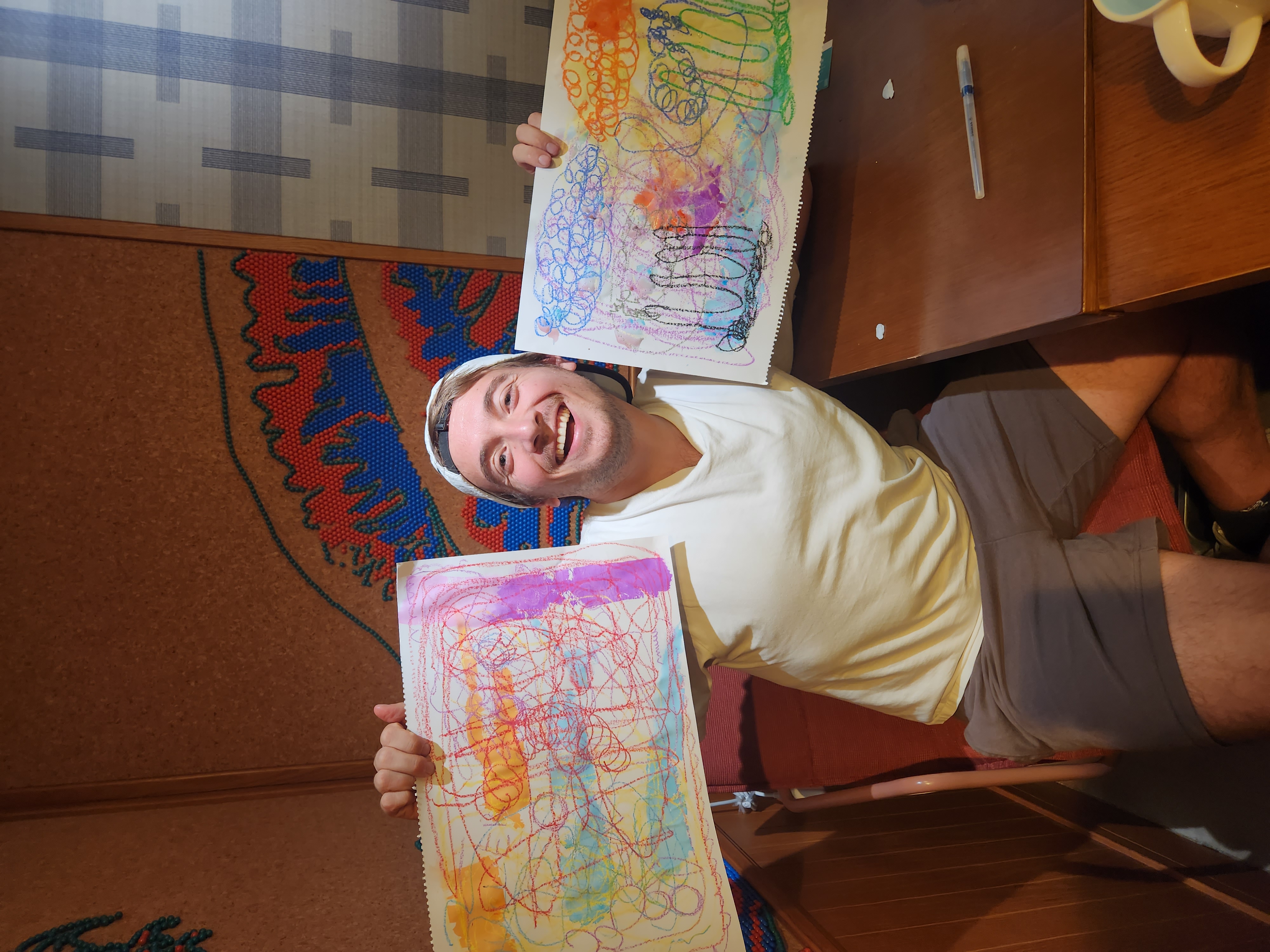
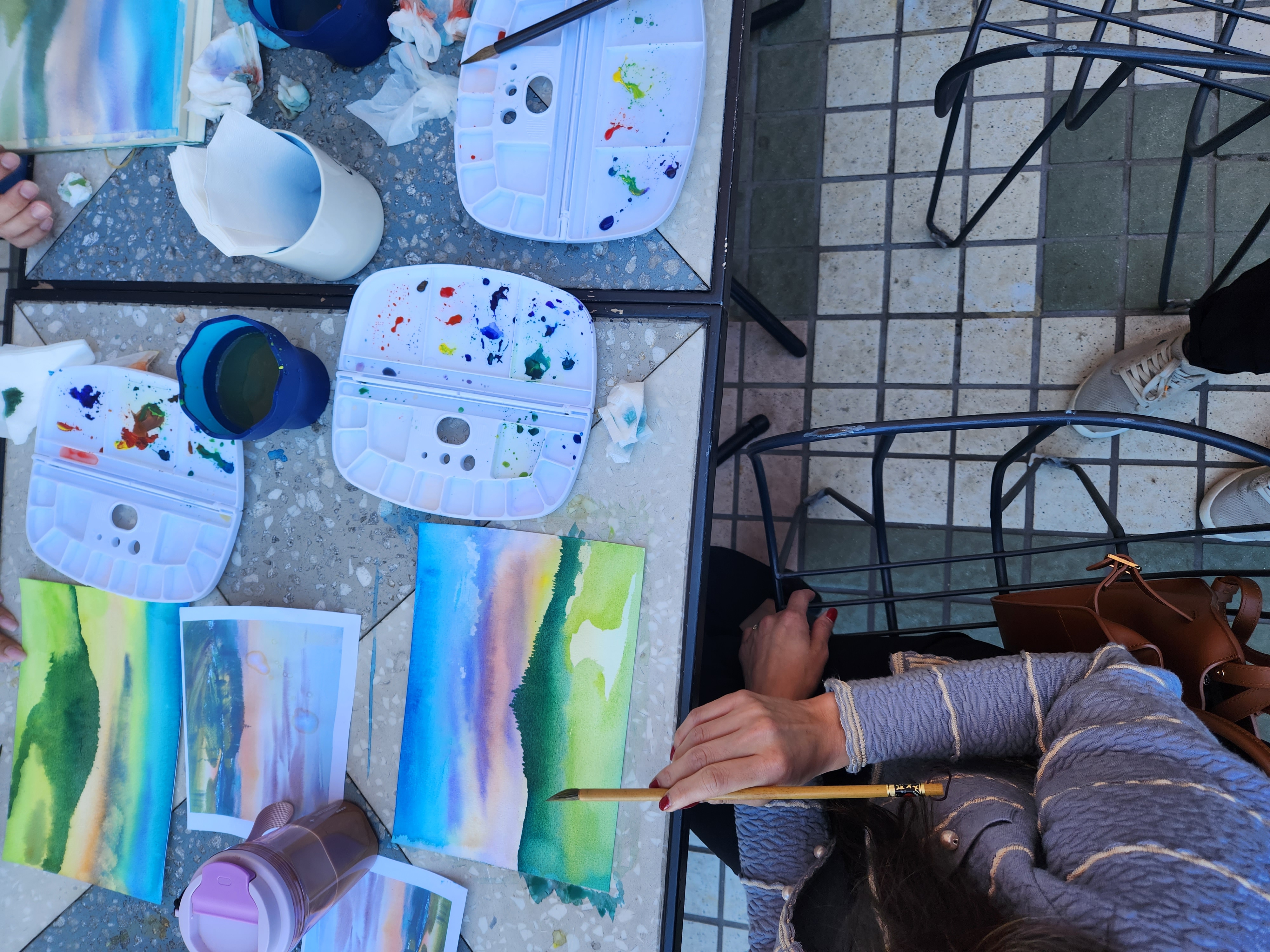
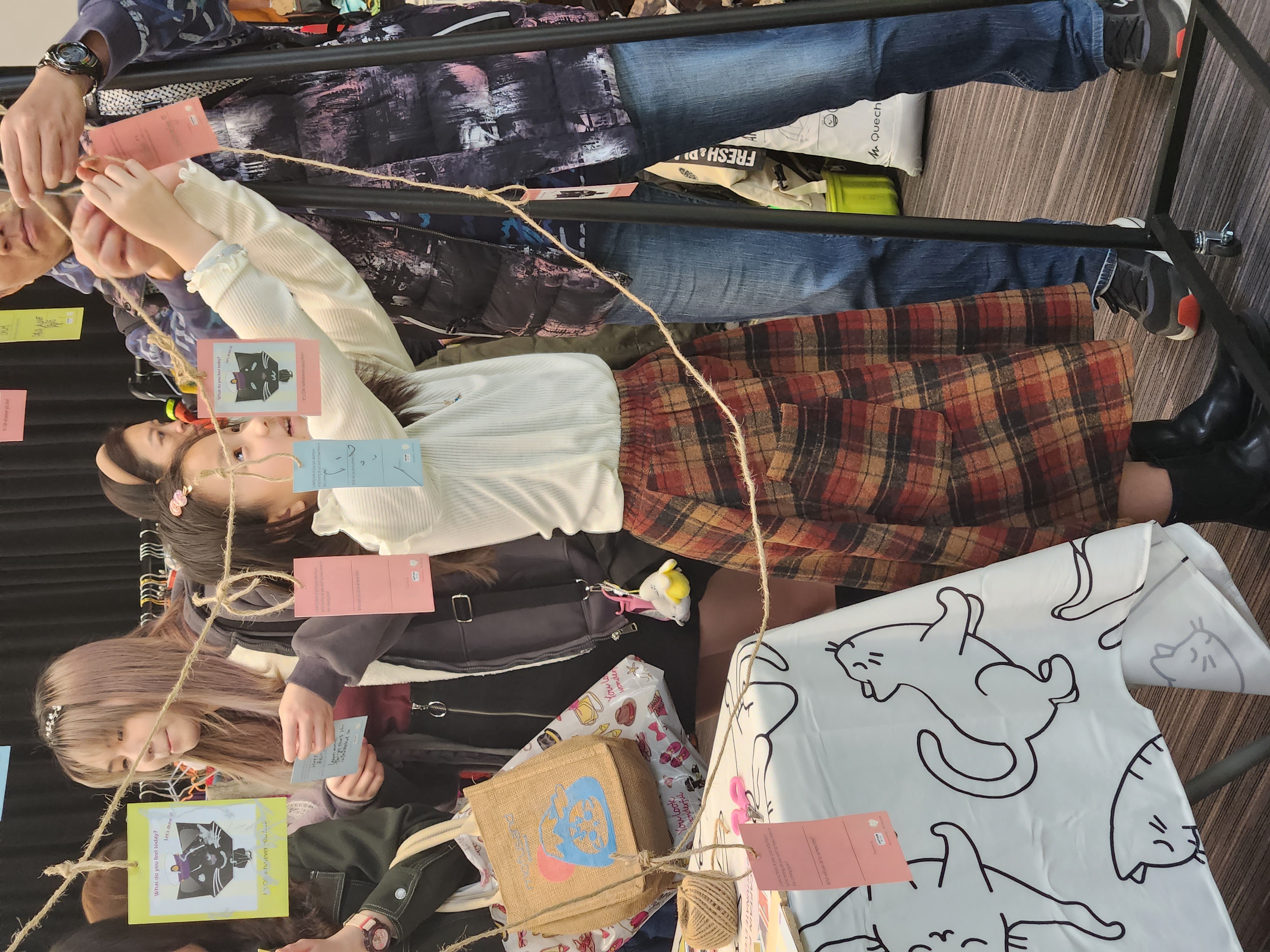
Workshops, community gatherings, and early experiments.